Table Of Content
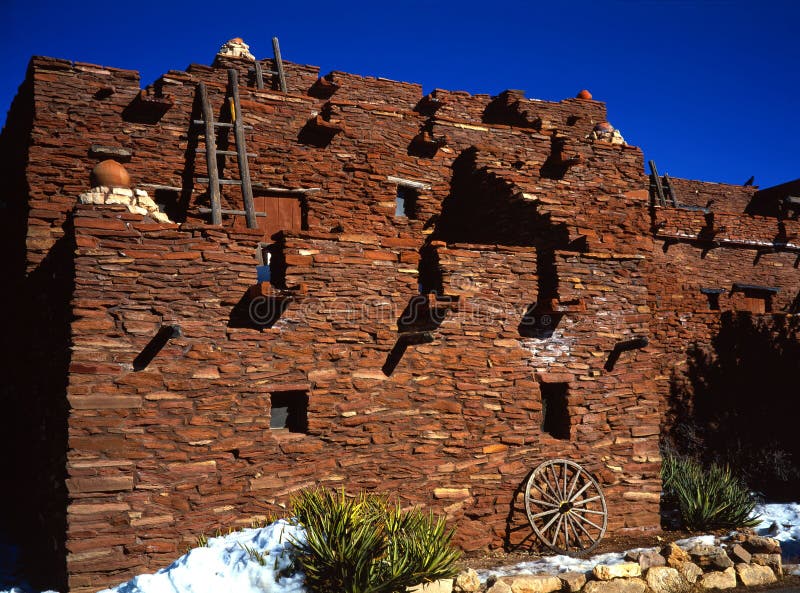
She was one of just a few women in a male-dominated field, and “lady-like” wasn’t in her vocabulary. Neither were the words “traditional European influences.” Colter’s vision extended well beyond that. Inspired by the natural beauty of the Grand Canyon, she wanted to design something that appeared native, natural and timeless.Hopi House, modeled after the 1,000 year-old pueblo dwellings of the Hopi village in Old Oraibi, was a radically new experience for tourists. Colter’s attention to detail and human history created a strange and exotic world they could easily and safely enjoy. Construction of Hopi House finished January 1, 1905, just a few weeks before El Tovar was completed. Unlike El Tovar, Hopi House was designed to blend into the neighboring environment, as it was modeled after Hopi pueblo dwellings at Old Oraibi that used local natural materials such as sandstone and juniper in their construction.
Design
Utilizing natural materials in forms that mimicked nature, her reputation swiftly grew. The building exemplified an emerging trend in architecture that drew from the heritage of North American indigenous cultures rather than emulating European traditions. Mary Colter was a pioneer in this movement, creating designs intentionally crafted to blend with the natural environment using authentic construction methods and local materials.
Hermit's Rest
Grand Canyon National Park, a historical look - The Arizona Republic
Grand Canyon National Park, a historical look.
Posted: Tue, 12 Mar 2024 07:00:00 GMT [source]
Sandstone masonry walls of varying size and layered textures, along with ceilings of mud-coated saplings and twigs, replicated real pueblo architecture. Rather than following traditional European architectural styles, Colter took inspiration from the natural surroundings of the Grand Canyon and the ancient pueblo dwellings of the Hopi tribe’s village in Old Oraibi. Her design for the Hopi House recreated key features of these 1,000-year-old Native American homes. She was the architect and designer for the entire resort, from the buildings to the acres of gardens, the furniture, china — even the maids’ uniforms. The sprawling, hacienda-style Spanish Colonial Revival building in Winslow, Arizona, has been called “the last great railroad hotel built in America.” The hotel closed in 1957 after a long decline. The closing of La Posada caused Colter to remark, “There is such a thing as living too long.” It was then used as an office building for the Santa Fe Railroad in the 1960s and then stood empty for years.
Giant Rock
I showed up, but tribal police had closed the entire mesa to non-Indians. The tour was finished, but I was hoping to watch a kachina dance at the village of Hano. One of them was Duane Tawahongva, a silversmith who lives in a trailer with expansive views of the desert. The Spaniards arrived in 1540 seeking gold but ended up trying to convert the local tribes. Some Navajos later became Christian, while fewer than 5% of Hopis did, Tso said.
Mary Colter's Hopi House
From the prominence of Hopi House and the Hopi presence there, many visitors may assume that the Hopi were the only tribe native to the Grand Canyon, but this is far from the truth. In fact, today 12 different tribes are recognized as having cultural ties to the Canyon, and the National Park Service has been working to accommodate the cultural needs of these other groups as well. For more information on other Native American tribes with connections to the Grand Canyon, visit the Native Cultures page. Above the primary bed, Mills hung a Serge Mouille–inspired double zigzag sconce from Orange. While Mills doesn’t know the exact history of this table, he was told that it came from an oil heiress’s estate in Silver Lake. In other words, Mills recognized what the house needed was restraint, not a renovation.
The Harvey collection toured the United States, including prestigious venues such as the Field Museum in Chicago and the Carnegie Museum in Pennsylvania, as well as international venues such as the Berlin Museum. The nightstands are ammunition trunks from World War I. The lamps, by Jonathan Adler, are paired with shades Mills chose as a nod to the house’s original fixtures. While Mills has gone to great lengths to respect the house’s history—even new pieces like a pair of bedside lamps by Jonathan Adler are fitted with special shades to evoke the house’s original mica fixtures—it all feels organic. “The bones of the house are so amazing that I had such great creative freedom,” he says.
The Desert View Watchtower (built in 1932), one of the last of this series of Colter buildings, stands at the eastern end of the south rim of Grand Canyon. From a distance the building's silhouette looks like the Ancestral Puebloan watchtower it was meant to mimic. Upstairs the Hopi Room presents paintings by Hopi artist Fred Kabotie, who took the room's theme from the Hopi Snake Dance. An outdoor observation deck is directly above the observation room.As a group, these buildings were designated a National Historic Landmark District on May 28, 1987. Construction of the three-story Hopi House utilized traditional materials and methods employed by the Hopi themselves.
Flagstaff Non-Profit Native Renewables Awarded An $8-Million Grant For Solar Power Units For Navajo And Hopi Homes - KAFF News
Flagstaff Non-Profit Native Renewables Awarded An $8-Million Grant For Solar Power Units For Navajo And Hopi Homes.
Posted: Wed, 28 Feb 2024 08:00:00 GMT [source]
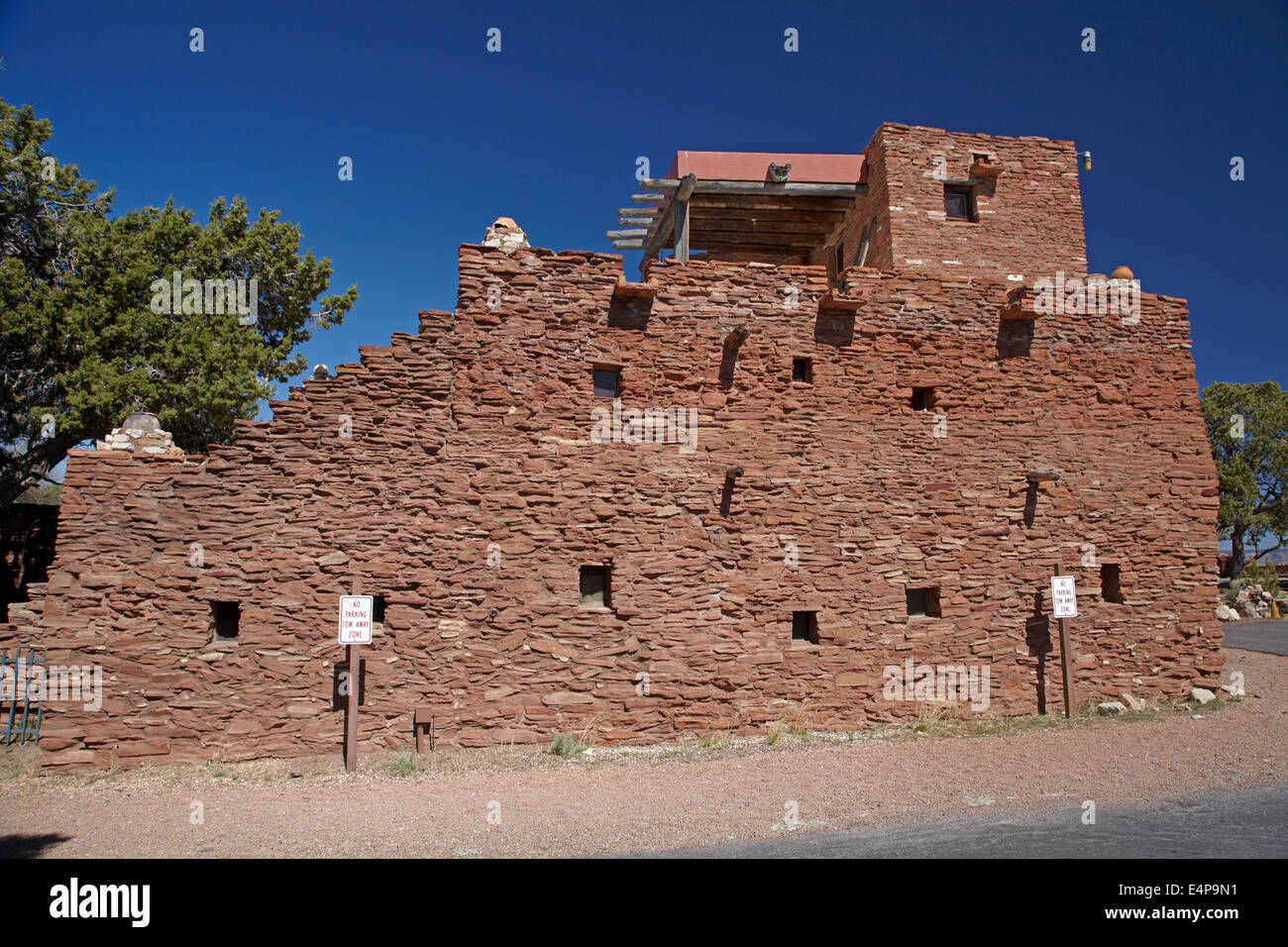
The Hopi House, built in 1905 and designed by architect Mary Colter for the Fred Harvey Company, replicates the architecture of the ancient Hopi pueblo dwellings as an “Indian Arts Building” and market for Native American crafts made by Hopi artisans on site. Hopi House is located on the South Rim of the Grand Canyon, within Grand Canyon National Park in the U.S. state of Arizona. Hopi House was built by the Fred Harvey Company as a market for Native American crafts, made by artisans on the site.
Hopi shamans have suspected since the 1920s that the future of the 21st century would be foretold at Giant Rock, based on how the rock cracked. Mary Colter was one of the very few female American architects of her day. She was also the chief architectural designer and interior decorator for the Fred Harvey Company from 1902 to 1948.
Remarkable for its forward-looking blend of modern and native architecture and the incorporation of Navajo sand paintings, the hotel was razed shortly before Colter's death. Of all of her work, though, Colter considered the sprawling, hacienda-style La Posada Hotel (1929) in Winslow, Arizona, her masterpiece. She designed the entire resort from the building to its gardens, furniture, china--even the maids' uniforms. The Santa Fe railroad closed the hotel in 1957 and turned it into a drab 1960s office building.
The Bright Angel Lodge also has a remarkable "geological fireplace" in the lodge's History Room, with rocks arranged floor to ceiling in the same order as the geologic strata in the canyon walls. Hermit's Rest (built in 1914), several miles to the west of Hopi House, is an entirely different type of structure. From the entrance path a haphazard looking structure of stone and wood greets the visitor, and the approach to Hermit's Rest is marked by a small stone arch set in a stone wall along the original pathway from the parking area to the building. The exposed portions of the building that are not banked into the earth are of rubble masonry bonded with cement mortar, structural logs, and a few expanses of glass. The exterior of the rectangular Hopi House building incorporates elements characteristic of pueblo architecture. Its sandstone walls have a reddish color, and the multiple roofs are stepped at various levels, mimicking the distinctive shape of pueblo structures.
The pair became fast friends and Van Tassel loaned Critzer 30 dollars to buy mining equipment. Critzer then dug out a 400-square-foot home for himself directly beneath the rock. Some locals thought he was crazy, but since he was known to point a shotgun at those who approached his underground home, no one inquired further.
The types of natural resources available determined what types of buildings were feasible, while human creativity shaped the form and function of those natural materials. The result is a building that is both a product of nature and an expression of culture. Hopi House was designed by Mary Colter in 1905 to resemble the traditional Puebloan structures built around Grand Canyon region, like those still atop the mesas of the Hopi people. A National Historic Landmark, Hopi House has sold authentic Native American arts and crafts on the South Rim of Grand Canyon for over 115 years. Take a "Minute Out In It" to get out of the snow and into the cozy warmth of this southwest abode. Bright Angel Lodge was built in 1935 to provide tourists with affordable accommodation on the edge of the Grand Canyon.
Showing that she was unafraid of the modern when the situation called for it, Colter installed plate glass windows to open up views of the splendid scenery. Closed in 1963, the inn survived a threatened demolition and was placed on the National Register of Historic Places in 1987. It reopened in 2006, restored to the way it looked circa 1949 after Colter’s redesign. The Desert View Watchtower, built in 1932, is considered by many to be Mary Colter’s Grand Canyon masterpiece. This 70-foot tall tower is located near the east entrance to the Grand Canyon National Park, about 20 miles outside of the Grand Canyon Village. Modeled after ancient Puebloan watchtowers found throughout the Four Corners region, Desert View Watchtower’s concrete foundation and steel structure is covered in intentionally-aged native stone.




No comments:
Post a Comment